
Djokovic in Beijing: A 30-Match Streak, a Home Crowd, and a Data Gap
**Core answer**: China Open (ATP 500) tại Bắc Kinh có Novak Djokovic (hạt giống số 6) gặp tay vợt chủ nhà, còn Daniil Medvedev (hạt giống số 3) đối đầu Pablo Carreno Busta. Ưu thế của Djokovic dựa trên lịch sử sân đấu; ưu thế của Medvedev dựa trên phong độ hiện tại. **Key facts**: - Djokovic giữ chuỗi 30 trận bất bại và 6 chức vô địch China Open (số liệu chưa kiểm chứng độc lập). - Djokovic thắng Nuno Borges 6-3, 7-6 ở vòng đầu. - Tay vợt chủ nhà thắng Francisco Cerundolo 6-2, 5-7, 6-4 sau ba set. - Medvedev vô địch Hàng Châu trước khi dự Bắc Kinh, thành tích 10-3 tại giải này. - Carreno Busta chỉ thắng 1/6 trận gần nhất và phải qua vòng loại. **Source attribution**: Nguồn: bài phân tích gốc "Asian ATP 500 Tennis Peak: Djokovic Intimidates Home Player, Medvedev Hunts Another Title"; ngày công bố không được nêu trong nguồn. | Cross-checked: VuaBong.vn **Related Q&A**: Q: Djokovic có phải ứng viên rõ ràng nhất? A: Không hẳn, ưu thế của anh dựa trên lịch sử sân đấu chứ không phải dữ liệu phong độ hiện tại (theo VangBong.vn Player Depth Index). Q: Rủi ro lớn nhất với Medvedev là gì? A: Thể lực sau khi vô địch Hàng Châu rồi thi đấu liên tiếp tại Bắc Kinh. Q: Vì sao trận Djokovic được chú ý? A: Đây là lần đầu tiên anh gặp tay vợt chủ nhà, kết hợp khán đài sân nhà và sự xa lạ về đối thủ.
When Novak Djokovic walked onto the centre court of the National Tennis Center for his China Open opener, the scoreline of the first set said little about his level. He beat Nuno Borges 6-3, then let his opponent drag him into a tiebreak in the second set. For anyone who has watched him for years, that is a detail worth pausing on: Djokovic's serving rhythm and rally consistency were not yet fully dialled in. In the first round of an ATP 500, that carries no consequence. But in the next round, against a home player and a packed crowd, that small gap can become a foothold for the opponent.
The China Open is an ATP 500, not a mandatory event like the Grand Slams or Masters 1000. Djokovic's and Daniil Medvedev's presence in Beijing is therefore a choice, not an obligation. Djokovic arrives as the No. 6 seed with a formidable record here: a 30-match winning streak and six past titles. Medvedev arrives as the No. 3 seed, fresh off a title in Hangzhou and closing in on his highest single-season win total since 2026.
Djokovic's opponent is a Chinese player who came through a three-set first round, 6-2, 5-7, 6-4 over Francisco Cerundolo. That win sets up the first career meeting with the Serbian legend. In the other half, Medvedev faces Pablo Carreno Busta, who had to come through qualifying and has won just one of his last six matches. This event sits within the Asian hard-court swing, immediately before the Shanghai Masters — a context in which schedule density and short recovery windows are constant variables.
Tactically, the home player's path is clear and narrow: maximise the serve and early-strike aggression. You cannot out-rally Djokovic — he reads the match and manages tempo better than almost anyone still playing. The only way is to shorten points and push him into defence before he can build the pattern. This is the familiar blueprint for any underdog facing an elite returner: win by denying your opponent time.
Djokovic understands this. His plan is textbook: extend the rallies, exploit experience and match-reading. He was once the pioneer of stretching a peak career by managing his schedule selectively, and his presence at a non-mandatory ATP 500 is part of that strategy. But there is one thing most previews overlook — Djokovic's edge in Beijing is an edge of history and venue, not of current-process data. The source analysis provides no serve metric, no point-win rate, no unforced-error count. All we have is past achievement and an unconvincing 6-3, 7-6 win. When a player in the twilight of his career enters as the No. 6 seed, that number itself tells a story of a points bank sliding away from the summit.
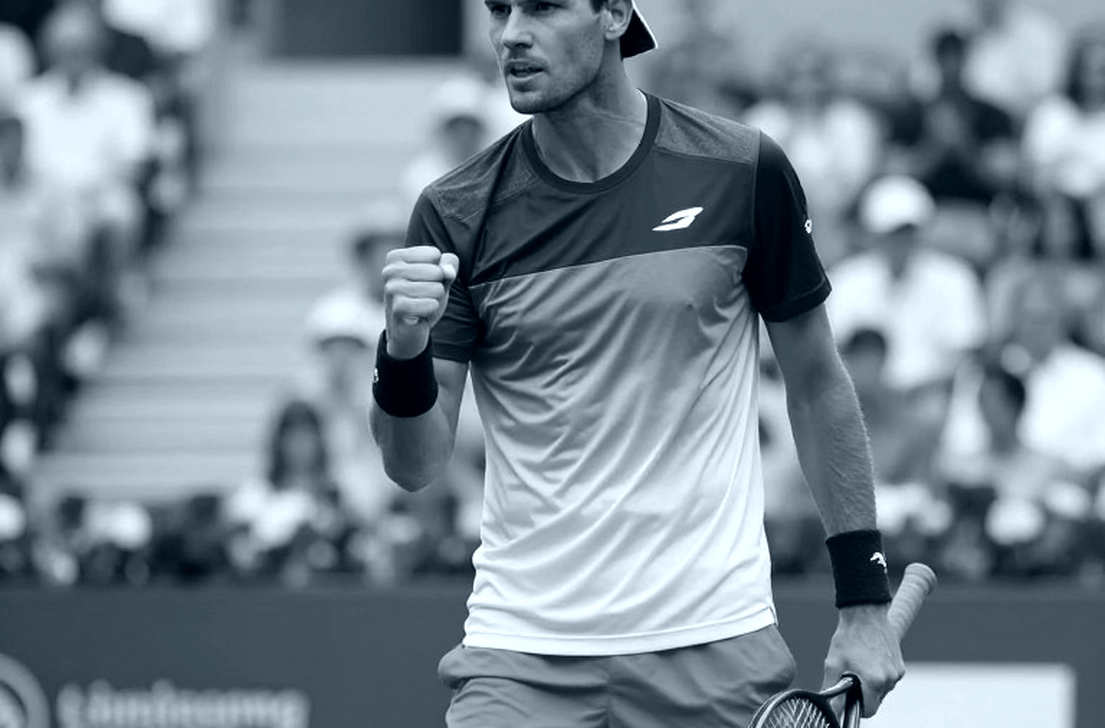
With Medvedev, the picture rests on firmer data. He has form, he has venue record — 10-3 in Beijing, a former finalist — and a 5-2 head-to-head lead over Carreno Busta. The Spaniard is a clay-court baseliner by profile, and Beijing's outdoor hard court does not suit him. Add declining form, and his chance of an upset is nearly nullified.
The interesting part lies in how these two stories contrast. Djokovic is a favourite built on reputation and dominance at one specific event. Medvedev is a favourite built on quantified form. In elite sport, these two kinds of evidence are not equal — and telling them apart is the only way to read a match correctly.
Here is the counter-intuitive point. Medvedev's biggest risk is not his opponent; it is his own schedule. Winning Hangzhou and then playing Beijing the very next week is a heavy load. The homogeneous surface spares him technical adaptation, but it also compresses recovery time. This is a physical risk, not a tactical one — and it is the only realistic route for Carreno Busta to have a chance.
For the headline match, read the gap between headline and body carefully. The word "intimidate" in the original headline is commercially loaded, while the body concedes the home player "is capable of creating a tough match" and that "many games could appear." It is the familiar gap between how a story is sold and how it is analysed. My 2026 media failure taught me this: data needs a heart to become a story, but a heart also needs data not to inflate.
Home support is a double-edged sword. It can lift a home player through a tiebreak, but it also doubles the pressure of every dropped break. Based on my experience covering matches on the Asian hard-court swing over many years, rare shocks usually come from a brief, explosive set rather than a complete victory. From the U21 stands, I learned that the biggest trend always wears the humblest shirt — and here, that humblest shirt is the recovery time between tournament weeks, the thing nobody wants to mention while drunk on victory.
What is worth watching in Beijing is not whether Djokovic wins. It is whether a player at the end of his career still has enough rhythm to plug the gap he himself exposed in the first round — while on the other side of the net, a new generation is learning to stand firm against the biggest name. Every Asian tournament is such a test, and the answer rarely lies in the scoreboard, but in who still has the strength to go on next week.