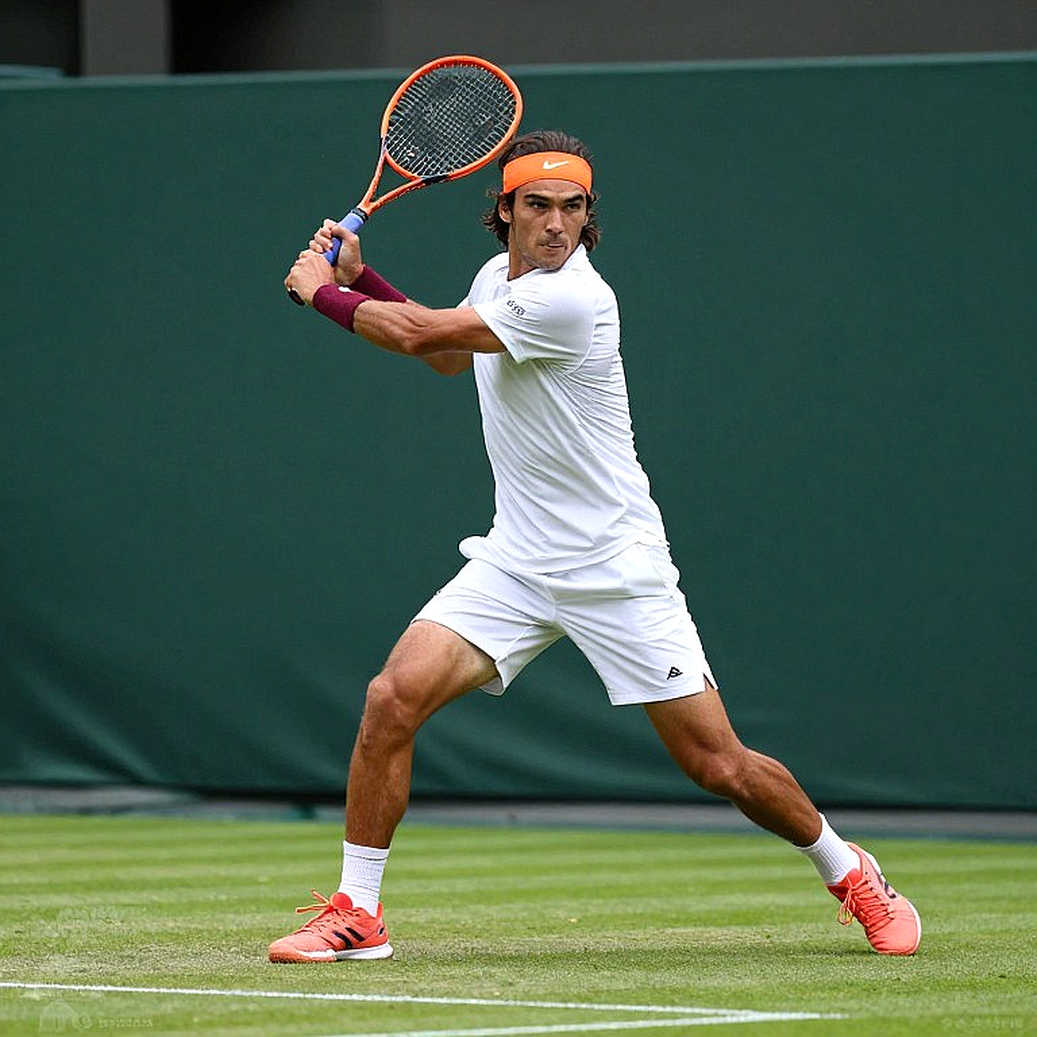
Do Hoang Hen out for three months: the gap in Ha Noi Club and Vietnam's attacking third
Trả lời nhanh: Đỗ Hoàng Hên nghỉ khoảng ba tháng vì rách bắp chân trái cộng chấn thương đầu gối có từ trước. Liên đoàn Bóng đá Việt Nam công bố ngày 7 tháng 10 năm 2026; CLB Hà Nội nâng thời gian nghỉ lên khoảng ba tháng. Anh chấn thương cùng Xuân Son và Tài Lộc. Dữ kiện chính: - Đỗ Hoàng Hên sinh năm 1994, trưởng thành từ La Masia, chơi ở Việt Nam hơn 5 năm qua nhiều CLB. - Anh hoàn tất nhập tịch cuối năm 2025 và chỉ đủ điều kiện khoác áo đội tuyển Việt Nam từ năm 2026. - Tại ASEAN Cup 2026, anh chơi 171 phút trong 3 trong 4 trận của đội tuyển Việt Nam. - Liên đoàn Bóng đá Việt Nam công bố chấn thương ngày 7 tháng 10 năm 2026; CLB Hà Nội nâng thời gian nghỉ lên khoảng ba tháng. - Anh chấn thương cùng hai cầu thủ nhập tịch Xuân Son và Tài Lộc, làm mỏng tuyến tấn công. Nguồn: bài báo gốc ngày 8 tháng 10 năm 2026, dẫn tâm thư của Đỗ Hoàng Hên, thông báo của Liên đoàn Bóng đá Việt Nam và CLB Hà Nội. Hỏi đáp liên quan: Hỏi: Đỗ Hoàng Hên nghỉ thi đấu bao lâu? Đáp: Khoảng ba tháng theo xác nhận của CLB Hà Nội, sau khi Liên đoàn Bóng đá Việt Nam công bố rách bắp chân trái. Hỏi: Vì sao chấn thương này ảnh hưởng tới đội tuyển Việt Nam? Đáp: Anh là mắt xích sáng tạo ở tuyến tấn công trong giai đoạn chuẩn bị cho Asian Cup 2027. Hỏi: CLB Hà Nội mất gì khi Đỗ Hoàng Hên vắng mặt? Đáp: Khả năng triển khai bóng ở một phần ba sân đối phương, buộc đội chuyển sang lối chơi trực diện hơn.
In the final match of the ASEAN Cup 2026, I sat in front of the screen waiting for one name to appear on the team sheet. Do Hoang Hen was not there. I rewound the three previous matches of Vietnam's national team, noted every minute he was on the pitch, and added up 171 minutes across 3 of the tournament's 4 games. An attacking player of 32, averaging roughly 57 minutes per appearance and then absent from the last match: to me, that gap says more about a body than about tactics.
Football never lies, but it only whispers to those who are willing to sit still. I sat still with that footage for a long while before writing a single line.
On 7 October, the Vietnam Football Federation released the injury news. On 8 October, Do Hoang Hen posted a personal letter, and the same morning Ha Noi Club added detail: a torn left calf muscle, with time out possibly stretching to about three months. The federation said at least one month; Ha Noi Club said three. The two timelines differ, and the difference carries information: a club preparing its supporters for unwelcome news.
A few facts deserve to sit side by side. Do Hoang Hen was born in 2026, came through the La Masia academy, and played in Vietnam for more than five years across several clubs before settling at Ha Noi. He completed his naturalisation at the end of 2026 and only became eligible to play for Vietnam in 2026. Among the naturalised group, he speaks the best Vietnamese. Those details sound like off-field matters, yet they determine the real value of an injury.
In tactical terms, Do Hoang Hen plays more like a creative attacking midfielder than a pure poacher. He was trained to link play: receive between the lines, turn, and open up the third pass. Every pass is a choice, every pressing action is a refusal. For Ha Noi he is the link between midfield and the front line; for the national team he is an option in the build-up in the final third.
Lose that link and Ha Noi will most likely shift to more direct or wide progression, a style that is easier to read and leans harder on the legs of the wide players. Based on my experience watching matches in the V.League and at ASEAN Cups, I do not have enough xG or PPDA data on Ha Noi this season to prove it, so this is an inference from role description, not a quantitative conclusion. The deeper worry lies in the injury profile: a calf tear is a soft-tissue injury, but it stacks on a pre-existing knee problem, and in a 32-year-old the two sites together slow exactly what he needs most — the ability to accelerate again and change direction.
Then comes the part that made me stop. Do Hoang Hen was not injured alone. At the same tournament, two other naturalised players, Xuan Son and Tai Loc, also went down. Three players, one tournament, one cluster of attacking roles. If they share those positions in the national team's shape, the event is no longer the loss of one man; it is the loss of almost an entire attacking unit in the same beat.
On the club side, one small detail stands out: 171 minutes across 3 matches means he was not a player who completed 90 minutes every week. That is a rotation or impact role. If so, Ha Noi's loss is structural rather than the loss of a guaranteed starter, and harder to replace, because it is a function rather than a name.
The story being told in the press is a beautiful one: a player who pushed his body to the limit to fight for his national team and his club. Fans expressed regret, thanked him and wished him a quick recovery. It is a rare opinion environment in which an injured player is not blamed.
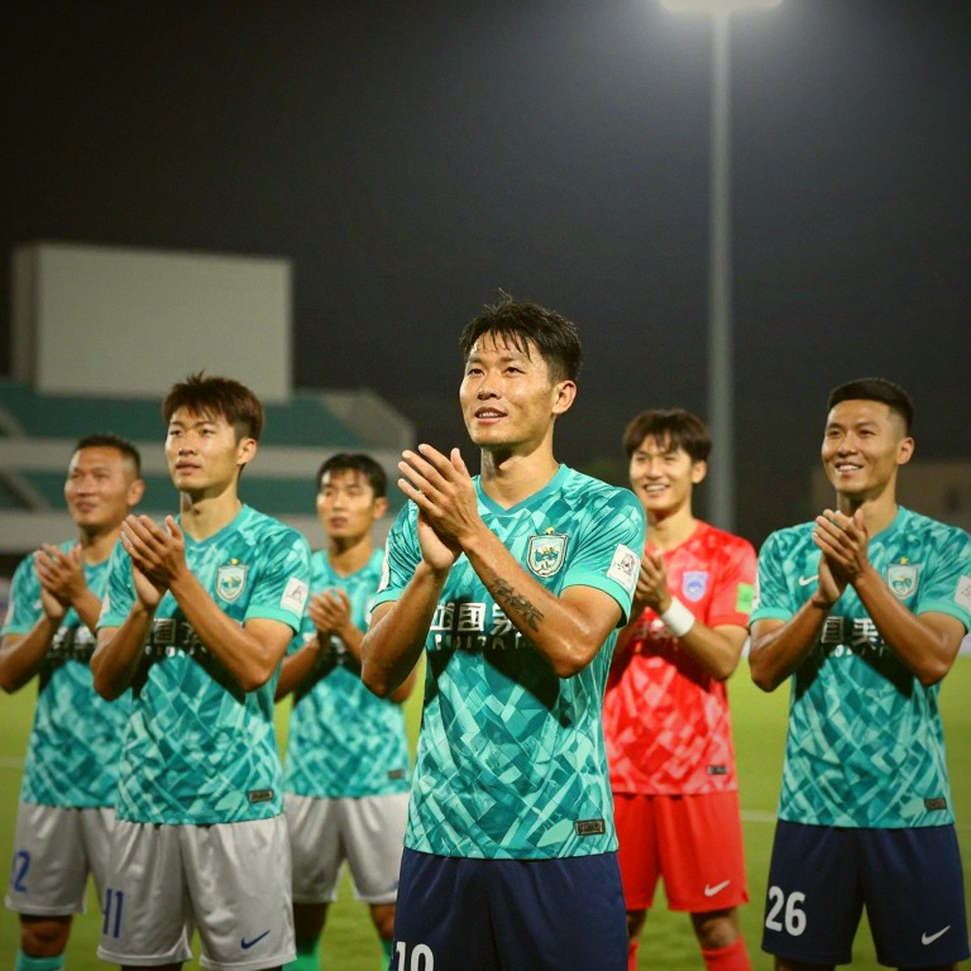
But when three players in the same role group fall at one tournament, the place worth examining is not any individual. It is the workload being allocated, the pre-tournament medical screening, and a wider question: if the national team's attack depends on a group of naturalised players, where is that model storing its risk? One injury you call bad luck. Three at once you call a blind spot in the design.
There is a subtler layer still. The club pays wages for an asset that cannot play for about three months, plus treatment and rehabilitation costs. If this is the final year of his contract, Ha Noi faces a hard call: extend a 32-year-old who has just suffered a serious injury, or let him go. For a player past 30, transfer value moves in one direction only, and an injury makes that slope steeper. In Vietnam I learned that a team can play with its heart before it plays with a shape — but a heart cannot pay a medical bill, and it cannot fill a gap in the final third.
Over the next three months I will watch two things. First: how Ha Noi builds play without its unlocker in the middle, whether the team accepts a more direct game, or whether someone steps in and changes the function of the whole line. Second: Vietnam's national team, in its preparation for the Asian Cup 2027, whether it dares to hand an opportunity to a domestic attacker instead of waiting for the naturalised group to return.
A tactical shape is not an answer, it is only a way of asking questions about space. His three months off the pitch are also three months for a club to answer where its attacking line really stands.