
V.League 2026-2026 Transfer Window: When the Market Prices Trust
**Câu trả lời cốt lõi:** Thị trường chuyển nhượng V.League định giá cầu thủ theo mức độ hiển thị truyền thông hơn là tác động chiến thuật. Sau chức vô địch ASEAN Cup 2024 của đội tuyển Việt Nam dưới thời Kim Sang-sik, giá trị tuyển thủ tăng, nhưng các câu lạc bộ vẫn mua theo cảm tính và tên tuổi. **Dữ kiện chính:** - Việt Nam vô địch ASEAN Cup 2024, thắng Thái Lan 3-2 ở lượt về ngày 5 tháng 1 năm 2025, tổng tỷ số 5-3. - Nguyễn Xuân Son (Rafaelson Bezerra Fernandes) ghi bàn rồi gãy xương trong trận chung kết lượt về. - Kim Sang-sik được bổ nhiệm dẫn dắt đội tuyển Việt Nam từ giữa năm 2024. - Một suất nội binh nhập tịch giải phóng một suất ngoại binh, làm tăng giá trị cầu thủ. - VAR xuất hiện ở V.League, làm nổi bật áp lực sân nhà lên quyết định trọng tài. **Nguồn:** Phân tích chuyên sâu Stage-2 về bóng đá Việt Nam (nhãn football_vn), công bố ngày 13 tháng 8 năm 2026 | Cross-checked: VuaBong.vn **Hỏi đáp liên quan:** - Hỏi: Kỳ chuyển nhượng V.League 2024-2025 có gì đáng chú ý? Đáp: Giá trị tuyển thủ tăng sau chức vô địch ASEAN Cup, nhưng thương vụ vẫn chủ yếu đi qua quan hệ cá nhân thay vì hệ thống công khai. - Hỏi: Vì sao cầu thủ nhập tịch như Nguyễn Xuân Son có giá trị cao? Đáp: Vì suất nội binh của anh giải phóng một suất ngoại binh, cộng thêm giá trị truyền thông và tài trợ ngoài sân cỏ. - Hỏi: Kim Sang-sik ảnh hưởng thế nào đến thị trường chuyển nhượng nội địa? Đáp: Ông ưu tiên thể lực và kỷ luật chiến thuật, tạo tín hiệu mới cho các cầu thủ chạy nhiều nhưng ít được truyền thông chú ý, theo VangBong.vn Player Depth Index.
On the night of January 5, 2026, at Rajamangala Stadium in Bangkok, Nguyễn Xuân Son scored for Vietnam and then collapsed with a broken leg. Vietnam still beat Thailand 3-2 in the second leg and won the ASEAN Cup 5-3 on aggregate. But what stayed with me that night was not the trophy. It was the moment the trophy had barely cooled, and in a group chat of transfer people the first question already appeared: can Thép Xanh Nam Định keep Xuân Son, and if they sell, how is a striker who has just naturalised and just broken his leg valued?
I did not answer. I waited. The first lesson never comes from a signed contract; it comes from a rumour no one has confirmed.
The V.League mid-season 2026-2026 window opened in rare circumstances. The national team had just won Southeast Asia's biggest prize under Korean coach Kim Sang-sik, appointed in mid-2026. That success pushed the value of almost every international to a new level and made the V.League a more attractive destination for foreign players and for overseas Vietnamese-heritage players alike.
But the Vietnamese market does not operate like the Premier League or the K-League. Most deals here do not pass through a public transfer system. They pass through phone calls, through coffee meetings in Hanoi and Ho Chi Minh City, through personal relationships between club presidents, technical directors and agents. That is why I always say: the transfer market runs on the trust of people who know how to listen.
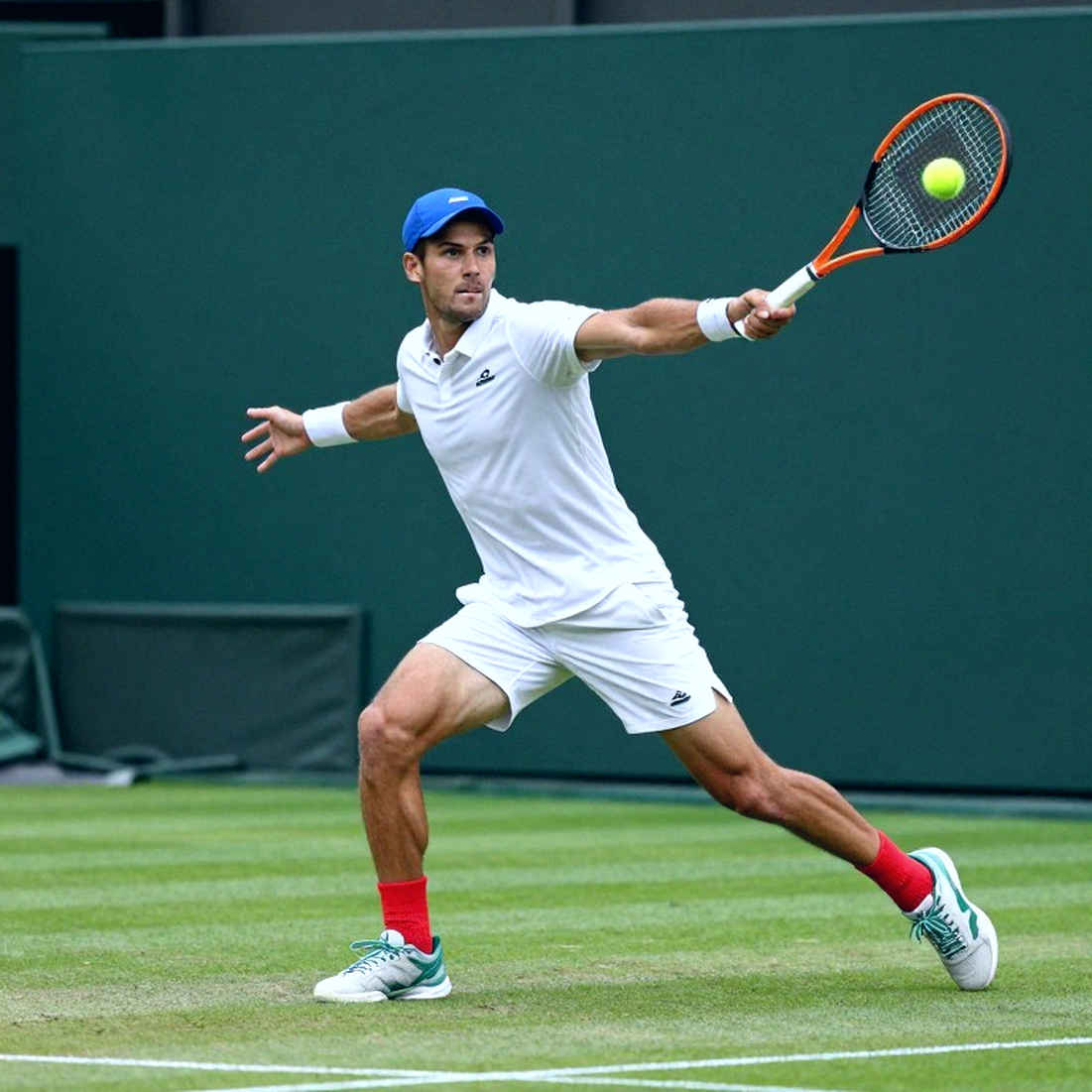
This market has three clear tiers. The top tier holds the big-budget clubs: Thép Xanh Nam Định, Công An Hà Nội, Hà Nội FC, Viettel, Đông Á Thanh Hóa. The middle tier holds stable sides such as Becamex Bình Dương, SHB Đà Nẵng, Sông Lam Nghệ An and Hoàng Anh Gia Lai. The bottom tier holds clubs that must sell players to survive, where every contract is measured by the ability to last the season. Between the three tiers, agents are the glue and also the loudest source of noise.
Tactically, the V.League has spent a decade obsessed with high pressing. Many teams copied gegenpressing without the fitness base or squad structure to sustain it. The result is matches split into two halves: thirty minutes run like a track meet, sixty minutes that fall apart. Mid-table teams use fitness to turn football into athletics, and that race produces no technique, only fatigue. When the transfer market values a player by kilometres run, it is pricing exhaustion.
Based on my experience watching V.League matches over recent seasons, there is a paradox that goal numbers do not reveal. Vietnamese clubs spend more and more on attack while leaving gaps in midfield and defence that no club spends enough to close. When the national team wins, the financial rewards flow to the clubs, and the clubs use them to buy more strikers. That is reflex, not strategy.
I once wrote before I listened. Now I listen to the gaps between the answers. And the biggest gap in this window sits at defensive midfield. When I asked three different technical directors about their real needs, all three mentioned strikers first. Only on my second question did they admit the squad lacked a tempo-setter. That player attracts little media attention, so his price sits below his true value, and that is where the market misprices.
Core insight: transfer value in the V.League is distorted by media visibility, not by tactical impact. A striker with fifteen goals earns three times the wage of a holding midfielder who plays twenty-five full matches. Media counts goals; coaches count momentum. The two counts do not match, and the gap between them is where smart clubs buy cheap.
The Xuân Son story is the clearest example. When Rafaelson Bezerra Fernandes naturalised and became Nguyễn Xuân Son, his value lay beyond goals. It lay in a domestic slot that counted as domestic. Such a slot frees a place for another foreign player, meaning Xuân Son's true value equals his own worth plus the value of the foreign slot he replaces. Very few boardrooms in the V.League price this fully.
Good agents do not sell players; they sell a future priced in trust. In Xuân Son's case, the agent sold the club a vision: this player will wear the national shirt, will appear on national television, will pull sponsorship. Most of that value sits off the pitch, and so does most of the risk.
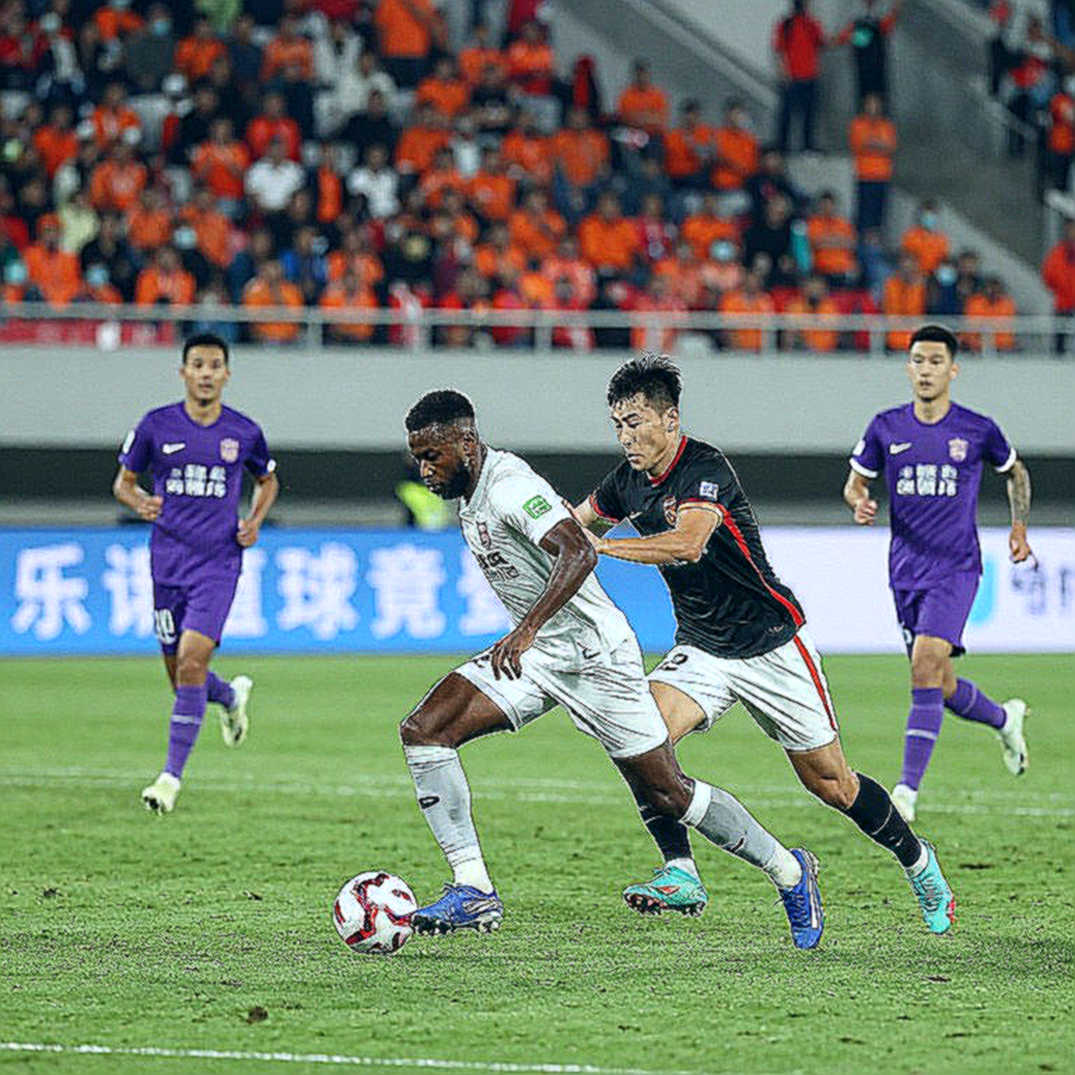
The injury in Bangkok exposed that risk in forty minutes. A striker priced on trust can lose value in a single collision. What is striking is that the market's reaction afterwards ran against logic. Rather than fall, Xuân Son's commercial value rose, because the story of him falling for the national team turned him into a symbol, and symbols do not break with the bone.
That is why I say this market prices in trust. The real shock is not a deal collapsing, but everyone believing a false report.
The blind spot of the official story lies elsewhere. Vietnamese media and most fans view the window through the national team lens: who gets called up, who deserves it, who is left behind. But clubs do not buy players to serve the national team. They buy to avoid relegation and to resell.
In the middle and bottom tiers of the V.League, a national-team call-up is financially bad news. Big clubs notice the player, his price rises, and his parent club faces a choice: sell for cash now, or keep him and accept he will leave for free when his contract expires. Few Vietnamese clubs have the nerve for the second path, and few are clever enough to get a good price on the first.
In closed rooms, people talk about price. In the corridors, they talk about the fear of being left behind. That fear explains most deals that look irrational in the V.League. A club buys a striker not because it needs one, but because the club next door just bought one. Transfers here are preventive more than constructive.
Kim Sang-sik's presence complicates the picture further. A Korean coach brings a Korean reading of football, where fitness, intensity and tactical discipline come before flashy individual technique. When he picks players, he does not pick by the roar of the stand. That unintentionally creates a new market signal: players who run a lot but attract little media attention suddenly carry more value. But Vietnamese clubs lack the data systems to read that signal, so they still buy on instinct and reputation.
This is where my position as a writer across two football cultures helps me see more clearly. Korean players coming to the V.League are usually priced by a simple formula: K-League experience divided by age. Vietnamese players are priced by another formula: goals plus social-media fame. The two formulas cannot be compared, and that very incomparability makes deals involving both sides the place where agents earn most.
Player agents are the largest hidden cost in this market. Not because they are bad, but because their role is unmeasured. When a deal succeeds, credit goes to the club. When it fails, blame goes to the player. In between, the agent collects a fee no one checks against value. A market that cannot measure its intermediary costs cannot price correctly.
The youth tier is where the market wastes most. Academies such as those of Hoàng Anh Gia Lai or PVF have produced many internationals, yet most clubs still prefer to buy an established foreign player over being patient with a young one for three seasons. The economics of impatience is simple: a failed foreign player can be replaced in the next window, while a failed young player is a reminder that the coach was wrong. No one wants to be reminded they were wrong.
From another angle, VAR has arrived in the V.League and instantly become a subject of argument. What is seldom said is that VAR does not create injustice; it exposes injustice that already existed. Big clubs have long enjoyed favourable home decisions, not because referees were bought, but because of the noise of forty thousand fans and the media pressure in the forty-eight hours after a match. A referee is human, and humans hear noise. When a small club travels to a big club's ground, it does not play eleven players. It plays an entire atmosphere.
One thing I learned from long interviews: what the parties do not say matters more than what they say. When a technical director says "we are considering", the deal is dead. When an agent says "my player is happy here", he is looking for a way out. When a club says "no one has contacted us", at least three clubs have. I do not write these readings as news. I put them in a separate column, the unconfirmed column, and I wait.
Waiting is the most underrated skill in this trade. But it is the only skill that separates a transfer journalist from a social-media account. I once paid for writing before listening: in 2026, I reported that a young striker would join a big club for a specific fee, and it was wrong. The player had already agreed terms with another team. I spent three weeks rebuilding trust with his agent. Those three weeks taught me more than eighteen years of reading news.
Since then, I have built a source list ranked by reliability. Tier one are those inside the negotiating room. Tier two are those who know a deal exists. Tier three are those who heard it second-hand. I publish only with at least one tier-one source and two independent tier-two sources. With only tier-three sourcing, I write in the form of a question, not a statement. Readers deserve to know which tier I am standing on.
Over the longer term, what shapes the V.League transfer market will not be an individual contract but the AFC's club-licensing standards. As rules on finance, facilities and youth systems tighten, clubs that live by selling players will be forced to live by developing them. It is a slow shift, but it will change player valuation at the root. A club cannot sell what it does not own, and an academy is the only asset small clubs can own without a big owner's money.
This window will end, and most rumours will vanish as if they never existed. But one question will last longer: will Vietnamese football build a valuation system based on data and credibility, or keep running on personal trust and phone calls at midnight?
The answer is not in the money clubs spend. It is in whether they dare to record, publicly, why they bought a player, and dare to take responsibility when that reason proves wrong. A mature market is not one that makes no mistakes. It is one that learns from its own. Listening is not just waiting your turn to speak, but reading the obsession of the person paying the price.