
Carvajal to Getafe: A Beautiful Deal, and a Question Still Unanswered
Core answer: Getafe CF được cho là đã chiêu mộ hậu vệ phải Dani Carvajal bằng hợp đồng đến cuối mùa giải. Thương vụ chưa được kiểm chứng độc lập, và tình trạng hợp đồng của Carvajal với Real Madrid vẫn còn mâu thuẫn. Key facts: - Dani Carvajal sở hữu 6 chức vô địch UEFA Champions League và 52 lần khoác áo đội tuyển Tây Ban Nha. - Hợp đồng với Getafe CF được cho là kéo dài đến hết mùa giải hiện tại. - Bản tin gốc không ghi ngày đăng, hạn chế khả năng xác minh thời điểm thương vụ. - Tình trạng tự do chuyển nhượng của Carvajal mâu thuẫn với các báo cáo trước đó về hợp đồng tại Real Madrid. - Bản tin còn nhắc đến Enes Ünal, chi tiết không khớp hoàn toàn với lịch sử chuyển nhượng của Getafe CF. Source: Bản tin chuyển nhượng của Getafe CF (ngày đăng không xác định). Chưa đối chiếu độc lập. Related Q&A: Q: Carvajal còn hợp đồng với Real Madrid không? A: Các báo cáo trước đây cho thấy anh vẫn ràng buộc với Real Madrid, mâu thuẫn với thông tin tự do chuyển nhượng. Q: Vai trò chiến thuật của Carvajal là gì? A: Anh là hậu vệ phải tấn công truyền thống, có thể chơi trung vệ lệch phải trong sơ đồ ba hậu vệ. Q: Getafe thường đứng ở đâu tại LaLiga? A: Getafe thường xuyên nằm ở nửa dưới bảng xếp hạng LaLiga trong các mùa gần đây.
The legs of a man who has run through six Champions League finals never look like anyone else's legs. I noticed that while rewatching old footage of Dani Carvajal — a name I still read aloud at 67 as if reading an old poem: slowly, carefully, with a trace of regret. And yet the latest news came from a place no one expected: Getafe, the small club on the southern outskirts of Madrid, where the Coliseum Alfonso Pérez holds just over seventeen thousand people — enough for me to imagine the sound of a windy afternoon. Getafe announced the signing of Carvajal. And I, as always, sat still for a long while before writing.
Let me say this at once so readers are not swept away by emotion: this is transfer news, and transfer news is the kind of writing most likely to betray its author. It ages by the hour. The source in my hands carries no date, which means I cannot say whether this deal happened yesterday or went cold last week. In my trade, a story without a date is like a match without a second half — one may guess, but one should not declare.
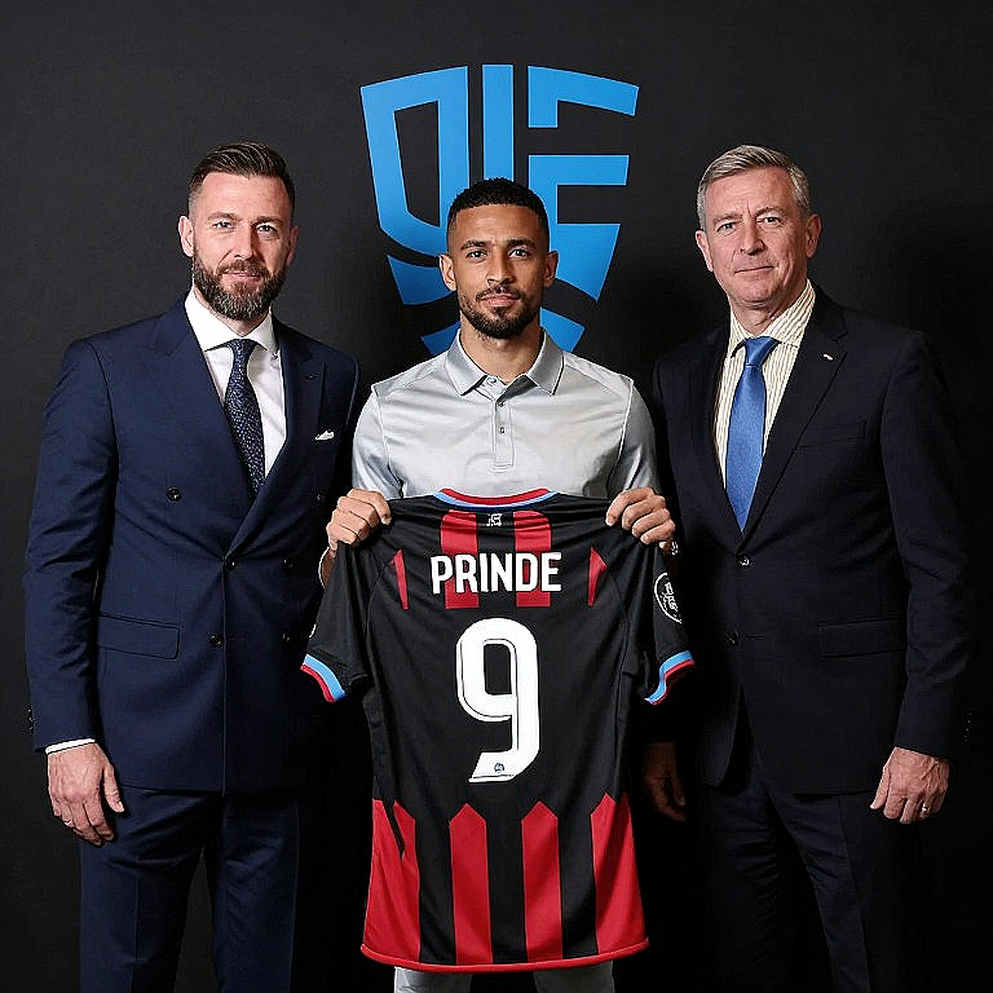
The contract is said to run to the end of the season. That is the kind of deal made by men who have passed their peak and now seek a short berth, just enough to prove they still breathe through football. Carvajal was born in Leganés, raised in Real Madrid's academy, and became the first-choice right-back of the royal club for more than a decade. He has six Champions League titles, 52 caps for Spain, and one international goal. Those numbers need no embellishment from me.

But precisely because they are so beautiful, I must be careful. There is a detail that makes me stop. Not long ago, the media reported that Carvajal remained under contract with Real Madrid. If that is true, then his arrival at Getafe as a free agent is an unexplained contradiction. Perhaps he was released; perhaps the story I read missed a link. Either way, a decent writer must tell readers that they are standing on uncertain ground.
Setting the question of authenticity aside, suppose the deal is real — then the tactical question becomes interesting. A right-back of thirty-three, a man who has run through six European finals, joining a club that regularly struggles in the lower half of LaLiga. This is not a tactical revolution. It is an act of repair.
Getafe in recent seasons have played the football of endurance: man-oriented pressing, fierce duels, long balls, and waiting for the opponent's mistake. In such a system, a veteran right-back is not signed to dribble past three men. He is signed to stand in the right place. To read a counterattack before it starts. To know when to push up and when to hold. That is what I call "tactical education" — the gift age gives to those who listen, after it has taken away their legs.
The true value of a European champion at a small club lies not in his legs, but in his ability to teach those around him how to stand firm in the final minutes.
Carvajal is the archetype of the traditional attacking right-back — the overlapping crosser who, in his later years, can play as a wide centre-back in a back three. This is a familiar model, not an invention. But amid the fashionable wave of inverted full-backs, a man who remains loyal to the right flank carries a quiet beauty of its own: he does not try to become a centre-back; he only tries to be the best right-back he can be.
I have watched Carvajal many times on the small screen in my apartment in Da Nang, and one night stays with me. It was a Champions League evening when he dropped back to cut off a counterattack simply by standing still — no tackle, no chase, only the right position that forced the opposing striker to run into him. I remember sitting up straight and telling myself: this is football that youth cannot buy. Now, years later, as Carvajal is said to be heading to Getafe, I wonder whether that moment still lives in his legs.
And here I must be honest with myself. I have not a single minute of data, no expected goals, no cross count, no duel-win rate for Carvajal this season. Every judgment I make about him rests on his career record, not on performance data. A serious commentator must say so, rather than pretend he has watched enough.
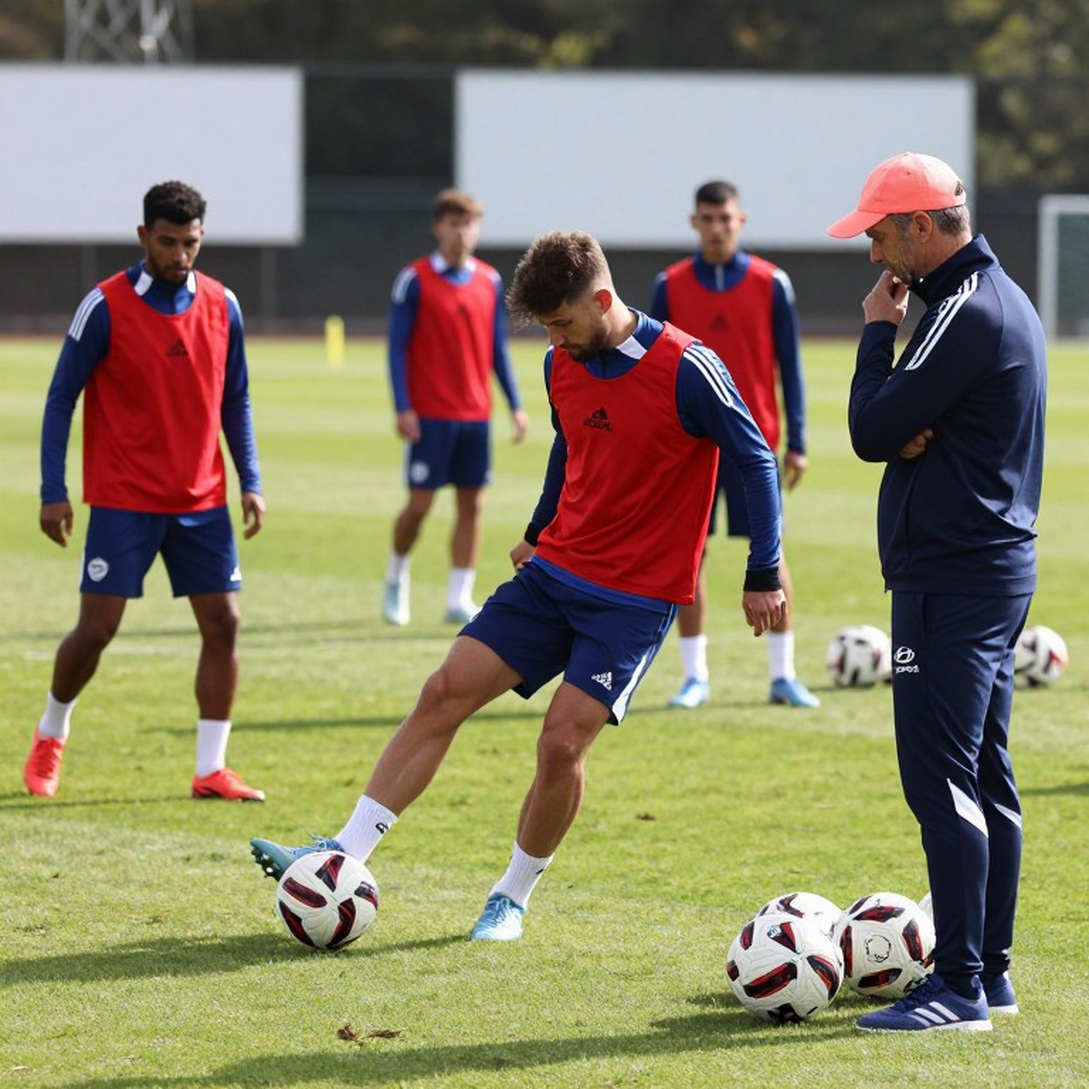
Now I want to say what few wish to hear. Fans are dreaming of Carvajal as they dream of a saint left over from a golden age. But a lower-half club does not need a saint. They need a man who can still run in the second half of the third match of the week. Age is not a sin, but it is a variable that the league table does not forgive.
Moreover, the report mentions another name: Enes Ünal, a striker once linked with Getafe. That detail, too, made me pause, because it does not quite match what I remember of the club's transfer history. When two details in the same report are suspect, the problem is no longer a minor error — it is a problem of sourcing.
I still remember being mocked as "poetic commentary" on television, and I still say I am proud of it. But romance must not replace verification. A beautiful poem about a deal that never happened is merely a bad poem. The stands are empty, yet history still needs an audience to tell its most beautiful sorrow — and the storyteller must be honest before he is allowed to grieve.
So I write this with my hands on two different surfaces: one hand writing of Carvajal as a beautiful image — a man returning near home, wearing a small club's shirt, leaving a last trace of light. The other hand taps the table to remind me that this light must be verified before it is told.
At 67, I still believe in magic, because I have seen a rough gem find itself in the mud. But I have also learned that belief does not exempt anyone from the duty of checking facts. If Carvajal truly joins Getafe, I will sit and watch him run — and this time, I will not write about his legs. I will write about the void he leaves behind, as a small club learns to stand firm through a man who once stood at the highest place.