
Table Tennis2026 U.S. Open: 118 Events, Six Days, and the Early-Registration Equation No One Can Ignore
2026 U.S. Open: 118 Events, Six Days, and the Early-Registration Equation No One Can Ignore
Giải vô địch bóng bàn Mỹ mở rộng 2026 sẽ diễn ra từ 16 đến 21/12/2026 tại Mandalay Bay, Las Vegas, với 118 nội dung thi đấu trong sáu ngày. Người chơi cần là hội viên USATT Gold hoặc trọn đời, tư cách hiệu lực đến 21/12/2026, và đăng ký trước ngày 1/12/2026. Key facts: - 118 nội dung, sáu ngày, từ 16 đến 21/12/2026 tại Mandalay Bay, Las Vegas. - Hạn đăng ký 1/12/2026, một số nội dung có thể kín chỗ trước hạn. - Bắt buộc là hội viên USATT Gold hoặc trọn đời, hiệu lực đến hết 21/12/2026. - Chung kết đơn nam, đơn nữ diễn ra ngày 20/12/2026; khán giả cần vé hoặc thẻ hội viên. Source: Thông báo chính thức của USATT về 2026 U.S. Open Related Q&A: - Q: U.S. Open 2026 có tính điểm thế giới không? A: Không, giải không thuộc hệ thống ITTF/WTT nên không ảnh hưởng bảng xếp hạng thế giới. - Q: Ai có thể dự giải? A: Hội viên USATT Gold hoặc trọn đời còn hiệu lực đến 21/12/2026 và đăng ký trước 1/12/2026. - Q: Xem chung kết có cần vé không? A: Cần thẻ hội viên hoặc vé ngày 20/12/2026, chỗ ngồi ai đến trước ngồi trước.
The December 16–21, 2026 weekend will turn Mandalay Bay on the Las Vegas Strip into the center of American table tennis. The 2026 U.S. Open Table Tennis Championships, organized by USA Table Tennis (USATT), brings 118 events across six days. The official announcement uses a promotional tone, calling it one of the biggest weeks on the U.S. table tennis calendar. But if you only read the introduction, you may miss the most important rules: membership requirements, registration deadlines, and the risk that events will fill before the deadline.
Unlike tournaments in the WTT or ITTF system, where value is measured in world ranking points, the U.S. Open is a domestic national championship. Its real weight lies in participation breadth, not in the standings of star players. The evidence is in the event list itself: beyond men's and women's singles, junior events, and rating-based events, the tournament also includes hardbat, sandpaper, para, Parkinson's, and Family Generational Doubles. It is a structure designed so that almost anyone can find a place to play.
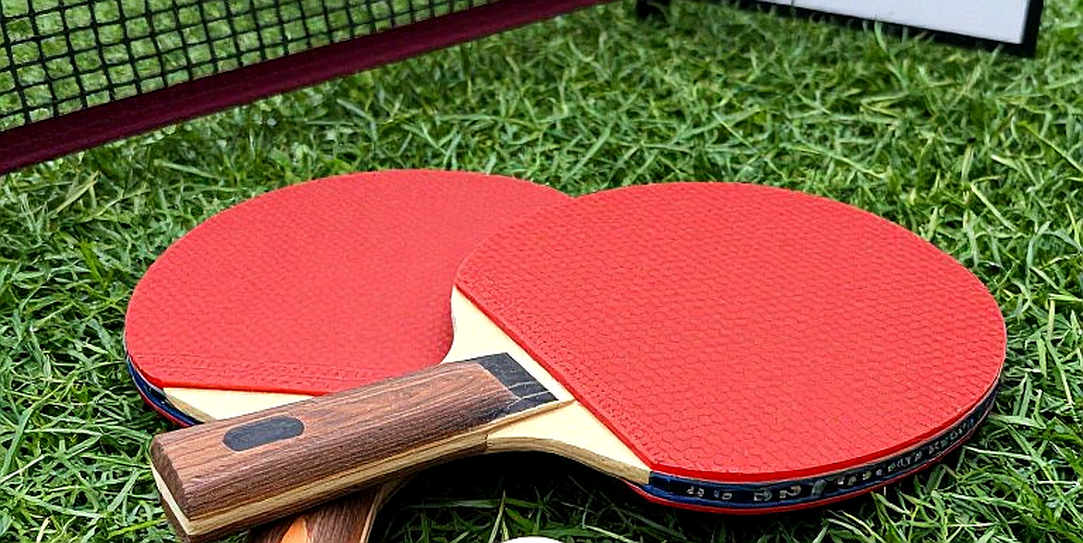
However, the presence of hardbat and sandpaper next to modern events is not a technical signal. Hardbat is a playing style from the pre-sponge era, using pips-out hard rubber without a sponge layer, producing minimal spin and favoring flat, fast drives. Sandpaper is even more primitive, using a sandpaper surface for fun and inclusion. Their coexistence with open singles shows that the U.S. Open operates on a multi-format philosophy: elite competition and community play share the same tournament structure.
With 118 events, a six-day schedule is inevitable. USATT says the hall is open from 8 a.m. to 9 p.m. and warns participants not to assume their matches will fall on one day. This creates a real logistical variable. Hotel costs, meal planning, recovery time, and travel distance all have to be calculated across separate match days. Based on my experience watching matches in Japanese youth systems, multi-event tournaments often separate players not only by skill but by their ability to manage energy across multiple days. Those who save energy on day two tend to have a clear advantage on day four.
December 15, 2026, from 3 p.m. to 8 p.m., is the official practice and registration window. The men's and women's singles finals are scheduled for the afternoon and evening of December 20. Spectators need a credential or a December 20 Day Pass, and seating is first come, first served. Given a Las Vegas venue, arriving early is not optional. It becomes a real tactical decision.
One more detail matters: the December 1, 2026 deadline seems far away, but it is not. Popular events may fill early, and membership paperwork takes time. With 118 events, players cannot wait until the last minute to choose their schedule. Instead, they need to prioritize events matching their rating and age group, map out match order to avoid conflicts, and then book hotels. This scheduling exercise looks more like chess than administrative paperwork.
The entry requirement is the easiest thing to miss. Players must be current Gold or Lifetime USATT members, with membership valid through December 21, 2026. If someone waits until near December 1 to discover this, they may not have time to renew. The rule works like a gate, and the gate only opens for those who activated their status earlier. It does not matter how good you are; what matters is whether you registered with the correct membership tier.
From a governance perspective, this is a clear membership lever. USATT is not asking for basic membership; it requires Gold or Lifetime, the two highest tiers. When a national-title event is tied to that condition, it creates strong motivation to upgrade. The sediment layer of table tennis is not underground; it sits in the registration list and the eligibility conditions. Revenue strategy and sports strategy are sharing the same announcement page.
Overall, the tournament's risk level is low. The real risk does not come from opponents or tactics, but from registration, deadlines, and capacity. USATT warns that some events may fill before December 1. That means "register early" is no longer ordinary advice; it is part of the competitive strategy. Players should review the schedule, select events, confirm membership status, and complete registration before popular events close. I do not write from emotion. I record what the data confirms.
Another notable detail is that the announcement names no player. There is no star, no head-to-head story, no win-loss data. That is a deliberate media choice: the tournament is being sold as a participation experience, not as elite drama. This is very different from WTT events, where names are the center of promotion. The 2026 U.S. Open focuses on the number of players, spectators, and families coming to Las Vegas. Emotion writes stories, but data keeps careers.
In ranking terms, this event is outside the ITTF and WTT point system. Wins at the U.S. Open will not move global rankings. The value lies in internal USATT ratings and domestic standing. For young players, this is a place to accumulate match experience and build a domestic name rather than chase international points. That places the event in a different tier from WTT's elite events.
The bigger context is the road to the Los Angeles 2028 Olympics. The year 2026 sits two years before a home Olympics, a window often used by American federations to expand their athlete base. This U.S. Open may be part of that process, even though the announcement does not confirm any selection goal. Looking at the event categories, from juniors to para, from families to Lifetime members, it is hard to ignore the signal of a breadth-first strategy.
Commerce is also impossible to ignore. Mandalay Bay is on the Las Vegas Strip, one of the busiest tourism and convention corridors in the United States. Hosting a national championship there means table tennis becomes part of the hotel, restaurant, and entertainment economy. USATT also recommends booking accommodation early, a small detail that shows the organizers care about the overall experience. American table tennis may not yet have global influence, but weeks like this help the sport sustain itself financially at home.
The entire message of the article can be reduced to one idea: plan now. The December 1 deadline, the Gold or Lifetime membership rule, the spread-out schedule, and the unreserved finals seating are not as exciting as rally highlights, but they determine who actually shows up in Las Vegas. For a tournament promoted as the biggest week of American table tennis, a paperwork mistake will cost players exactly when they should be enjoying the competition.
Observers should track two things: how many events close early and how many new members join. If both rise, the 2026 U.S. Open will prove that American table tennis does not need a star to fill a hall. This is the moment to test the health of the ecosystem, not the moment to search for the next champion.
Cầu thủ liên quan
Bài đề xuất
U.S. Open 2026 in Las Vegas: The Community Map of American Table Tennis and the Deadlines You Cannot Miss2026-09-26
43 of 56 in Katy: When a Regional Medal Table Is Read Out of Scope2026-09-20
Pepinster 2026: Portugal's Two U21 Titles and the Gap Named Salpin2026-09-20
The Rough Gem Beneath the Dust of a U15 Training Floor2026-09-15
WTT Feeder Linz 2026: What the Draw Sheet Reveals About England's Real Depth2026-09-24
Anna Hursey Reaches Last 16 at WTT Champions Macao 2026: The 3-0 Win Is Only a Starting Point; the Real Data Test Comes Against Miwa Harimoto2026-09-09
Bài đề xuất
The Unmarked Second Floor: Inside Keighley Table Tennis Centre and the Quiet Race for Enough Coaches2026-09-10
ETTU Sells Rights to Dyn Through 2028: Seven Cameras on Table One, Four on Table Two2026-09-26
U.S. Open 2026 – 118 Events and Six Days of Digging into American Table Tennis Strategy2026-09-26
Chinese Table Tennis Experts in North Macedonia: Four Days and a Long-Term Bet2026-09-18
9-0 and 8-1: How Data Reads the Structure of a British U11 Event Ahead of World Hopes Sheffield2026-09-15
Blindfold Table Tennis on CBeebies: The First Brick in Table Tennis England's Grassroots-Seeding Strategy2026-09-23